
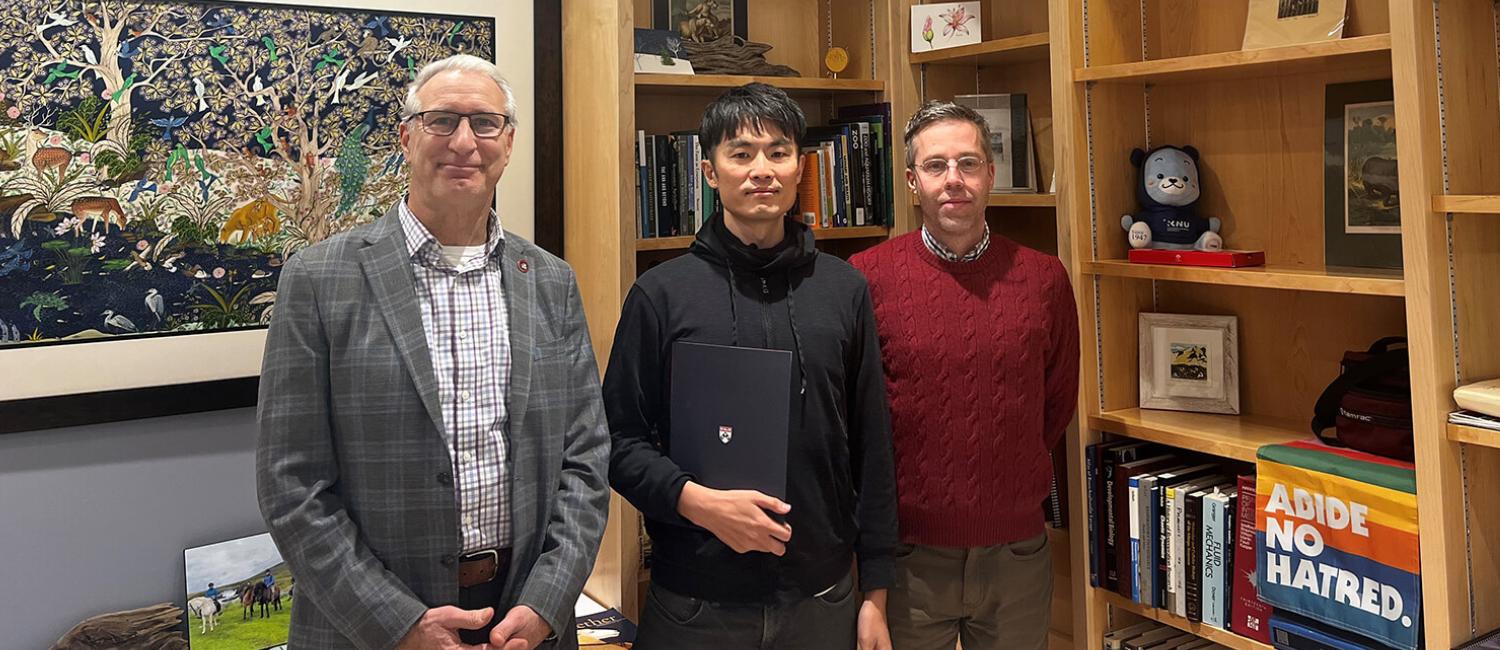
Kotaro Sasaki, MD, PhD, Named Richard King Mellon Associate Professor at the University of Pennsylvania’s School of Veterinary Medicine
Faculty In This Story
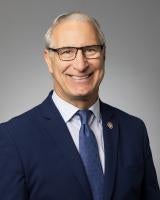


Andrew M. Hoffman, DVM, DVSc, DACVIM, Gilbert S. Kahn Dean of the School of Veterinary Medicine at the University of Pennsylvania (Penn Vet) has named Kotaro Sasaki, MD, PhD, the Richard King Mellon Associate Professor of Biomedical Sciences.
Sasaki’s research is focused on the development and pathophysiology of urogenital and reproductive organ systems; his laboratory is advancing the understanding of human infertility, reproduction, and endocrinology. He possesses an exceptional record of academic accomplishments. His work on converting stem cells into male germ cells, and understanding how the human body generates spermatozoa, was awarded an Open Philanthropy grant of $2,585,990 in addition to grants from the NIH and other funding agencies. He is a recipient of the Endocrine Society’s 2023 Early Investigator Award which supports early-career investigators in endocrine-related research; the 2023 Zoetis Award for Veterinary Research Excellence; and the 2023 ENS@T Award for best scientific work in the field of adrenal tumors.
“Dr. Sasaki is transforming our understanding of the development and diseases of reproductive and adrenal organs by integrating meticulous comparative physiology with highly creative, pioneering approaches using stem cell-derived organoid models,” said Christopher J. Lengner, PhD, Harriet Ellison Woodward Associate Professor and chair of Penn Vet’s Department of Biomedical Sciences. “His scholarly contributions and novel insights are not only addressing fundamental questions regarding germ cell and adrenal biology, but they are providing a foundation for the development of novel therapeutic approaches.”
Sasaki earned his MD degree from Hokkaido University School of Medicine, and his PhD from Kyoto University Graduate School of Medicine, both in Japan. He completed his surgical pathology residency at the University of Pittsburgh Medical Center and a renal pathology fellowship at the University of Washington Medical Center. After completion of his clinical training, Sasaki pursued a postdoctoral fellowship at Kyoto University before joining Penn Vet’s faculty as an assistant professor in 2018.
The awarding of a named, endowed professorship is the highest honor bestowed upon a faculty member at the University of Pennsylvania and reflects a commitment to scientific discovery, mentorship, and academic service.
Related News
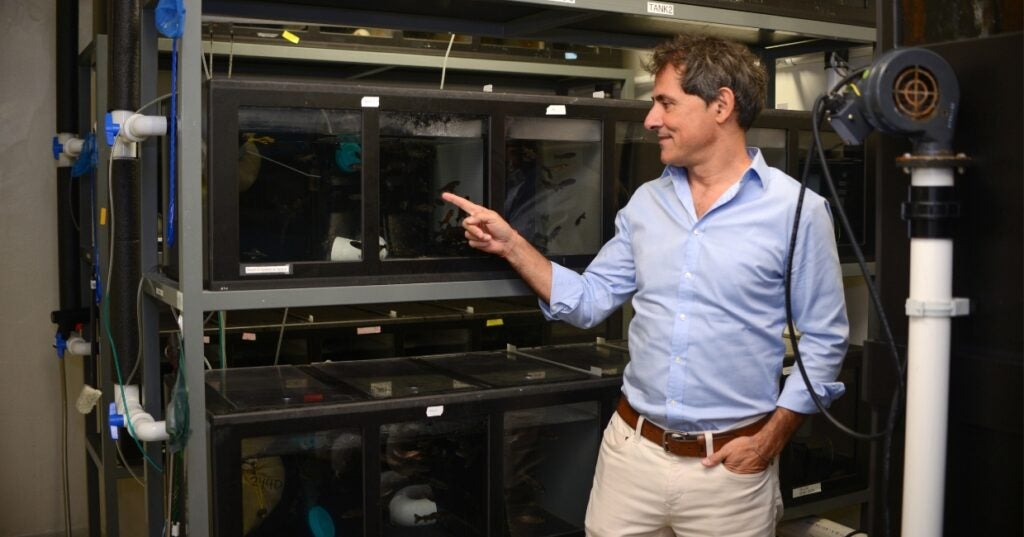
A New Study from Penn Vet Reveals an Unsung Immune Defender as a Key Guardian of Gut Health and Metabolism
A pioneering new study published in Nature Microbiology, led by Oriol Sunyer, PhD, and a team of researchers at Penn Vet and the University of New Mexico, have uncovered a…
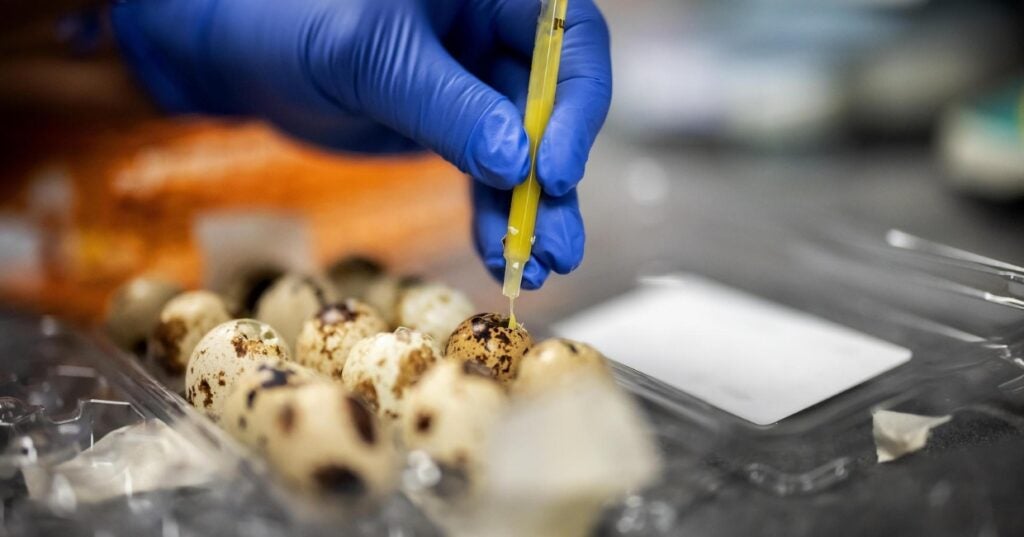
Keeping food safe and animals healthy (link is external)
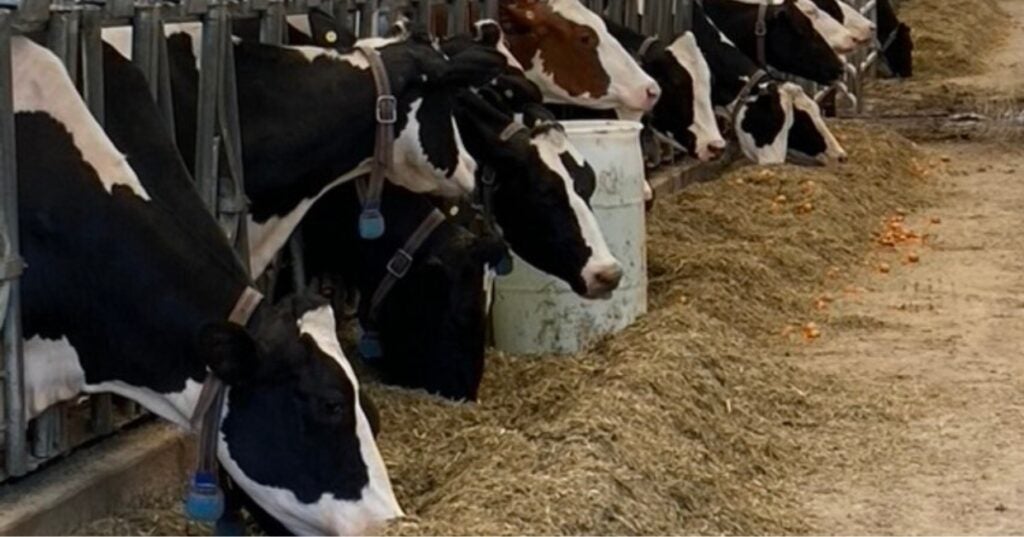
A strain of the H5N1 virus—best known for causing avian influenza—was detected in U.S. dairy cattle for the first time in March 2024. It has since spread to more than…
Food waste: Recycling, not discarding, offers huge environmental benefits (link is external)
Researchers at Penn Vet examine how common food waste recycling methods, including composting, could have a big impact on greenhouse gas emissions and the use of natural resources.
About Penn Vet
Ranked among the top ten veterinary schools worldwide, the University of Pennsylvania School of Veterinary Medicine (Penn Vet) is a global leader in veterinary education, research, and clinical care. Founded in 1884, Penn Vet is the first veterinary school developed in association with a medical school. The school is a proud member of the One Health initiative, linking human, animal, and environmental health.
Penn Vet serves a diverse population of animals at its two campuses, which include extensive diagnostic and research laboratories. Ryan Hospital in Philadelphia provides care for dogs, cats, and other domestic/companion animals, handling more than 34,600 patient visits a year. New Bolton Center, Penn Vet’s large-animal hospital on nearly 700 acres in rural Kennett Square, PA, cares for horses and livestock/farm animals. The hospital handles more than 6,200 patient visits a year, while our Field Services have gone out on more than 5,500 farm service calls, treating some 18,700 patients at local farms. In addition, New Bolton Center’s campus includes a swine center, working dairy, and poultry unit that provide valuable research for the agriculture industry.