
Penn Vet and Penn Medicine Researchers Receive Nearly $6 Million in Renewed NIH Funding to Study Epigenetics of Reproduction in Animals and Humans
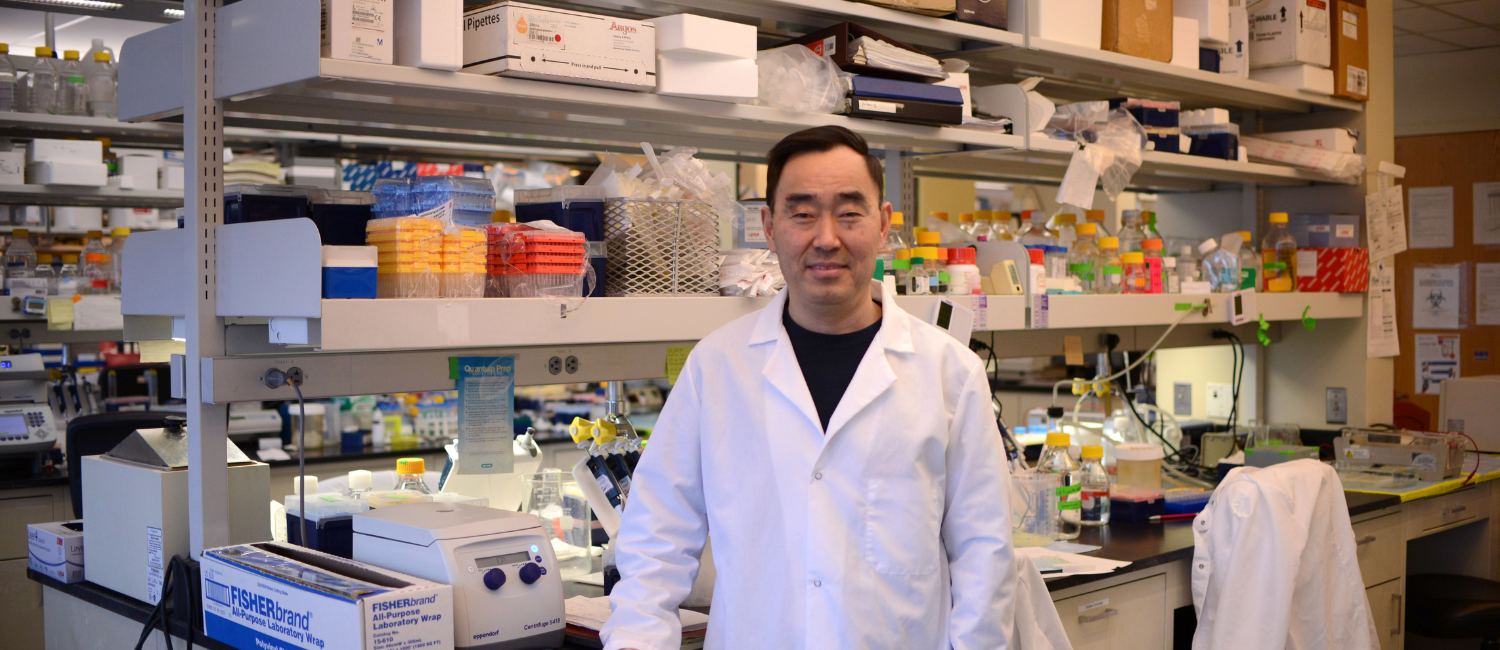

A multidisciplinary group of researchers from the University of Pennsylvania’s School of Veterinary Medicine (Penn Vet) and the University’s Perelman School of Medicine (Perelman) have received $5.95 million in renewed funding from the National Institutes of Health (NIH) to study male and female reproduction in animals and humans.
The funding supports the Penn Center for the Study of Epigenetics in Reproduction (PCSER), which focuses on epigenetic mechanisms that govern male and female reproduction, contribute to male infertility, and impact on development of mouse and human concepti conceived through Assisted Reproductive Technologies (ART). Funded by the NIH since 2011, the PCSER consists of Penn Vet’s P. Jeremy Wang, MD, PhD, Ralph L. Brinster President’s Distinguished Professor, and Perelman’s Marisa Bartolomei, PhD; Monica Mainigi, MD; and Suneeta Senapati, MD, MSCE.
The renewed funding will support Wang’s investigation of a testis-specific protein TEX15, discovered by his laboratory, which is required for male fertility. Wang’s research program focuses on the cellular, molecular, genetic and epigenetic controls of meiosis, the process of cell division that is unique to germline cells and generates genetic diversity. He seeks to identify abnormal meiosis that are responsible for spontaneous pregnancy loss or human congenital conditions.
Wang is Director of Penn Vet’s Center for Animal Transgenesis & Germ Cell Research. He received his MD from Peking University Health Science Center and his PhD in Molecular Biology and Genetics from Cornell University.
Related News
A new study from Penn Vet on germ cell gene regulatory networks paves way to determine cause of cryopreservation fertility failures
A study published in Stem Cell Reports, led by Eoin Whelan, PhD, and Ralph Brinster, VMD, PhD, and a team of researchers at the University of Pennsylvania’s School of Veterinary…
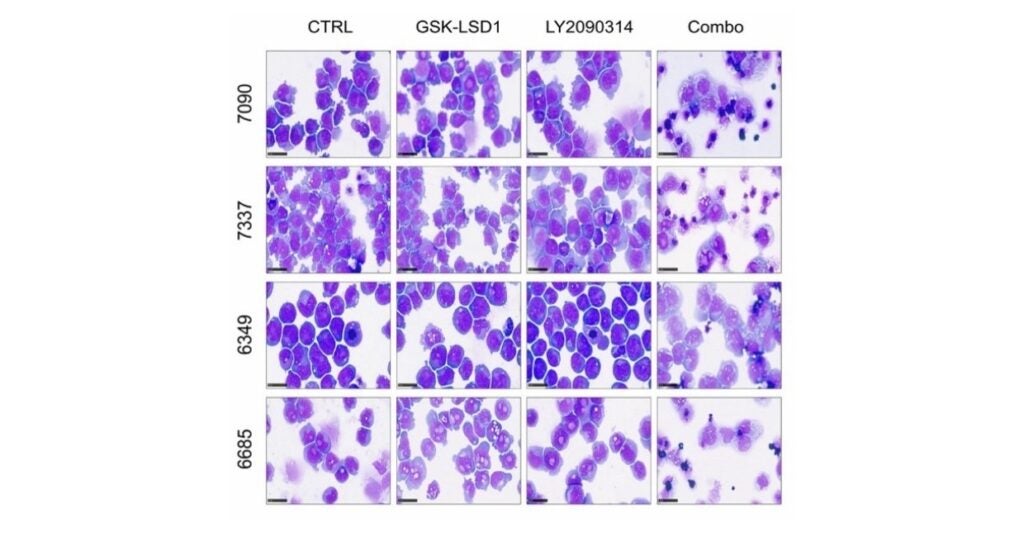
New Study Identifies Promising Inhibitor Combination for Hard-to-Treat Leukemia Subtypes
Faculty In This Story Assistant Professor of Biomedical Sciences M. Andrés Blanco, PhD, from the University of Pennsylvania’s School of Veterinary Medicine (Penn Vet) and investigators from the Universities of…

SAVMA Student Teaching Awards 2025
On Friday, April 11, the Penn Vet community gathered to honor students, faculty, and hospital staff during the annual SAVMA Student Teaching Awards. Recipients are selected by the student body…
About Penn Vet
Ranked among the top ten veterinary schools worldwide, the University of Pennsylvania School of Veterinary Medicine (Penn Vet) is a global leader in veterinary education, research, and clinical care. Founded in 1884, Penn Vet is the first veterinary school developed in association with a medical school. The school is a proud member of the One Health initiative, linking human, animal, and environmental health.
Penn Vet serves a diverse population of animals at its two campuses, which include extensive diagnostic and research laboratories. Ryan Hospital in Philadelphia provides care for dogs, cats, and other domestic/companion animals, handling more than 34,600 patient visits a year. New Bolton Center, Penn Vet’s large-animal hospital on nearly 700 acres in rural Kennett Square, PA, cares for horses and livestock/farm animals. The hospital handles more than 6,200 patient visits a year, while our Field Services have gone out on more than 5,500 farm service calls, treating some 18,700 patients at local farms. In addition, New Bolton Center’s campus includes a swine center, working dairy, and poultry unit that provide valuable research for the agriculture industry.