
Research Newsletter | Fall 2025
Fall 2025
FEATURE ARTICLE
Dr. Nicole Marino: Unraveling the Secrets of Ancient Microbial Warfare

Nicole Marino, PhD, started her lab as an assistant professor in the Department of Pathobiology in January 2024. Nicole developed a passion for research as an undergraduate student at Rice University. At the time, she was taking classes in ancient Roman history and poetry while fulfilling requirements to apply for medical school. Her first research experience was in Dr. Michael Gustin’s laboratory, where she investigated how the opportunistic pathogen Candida albicans upregulates oxyanion transporters to pump out toxic chemicals generated by the immune system. These experiences—and a deepened appreciation for the impact of research on global health—motivated her to change course and pursue a life-long career in microbiology. By exploring how microbes evade and attack the immune system, Nicole hoped to gain insight into microbial warfare and make discoveries that would improve healthcare outcomes. She graduated from Rice University with a Bachelor of Arts in Biochemistry/Cell Biology and Classical Studies.
Shortly after graduation, Nicole left Texas to begin graduate school at Stanford University in Palo Alto, California. She joined the lab of Dr. John Boothroyd, who had pioneered many of the genetic and molecular approaches for studying Toxoplasma gondii, an intracellular eukaryotic parasite. Toxoplasma is unique among parasites for its ability to infect virtually all warm-blooded animals. Around 20–30% of the global human population is infected with Toxoplasma, which can persist in the brain and muscle tissue for the lifetime of the host. Although most infections are asymptomatic, they can be deadly for fetuses and immunocompromised patients, and seropositivity for Toxoplasma has been linked to various psychiatric disorders. For her thesis work, Nicole explored the molecular mechanisms that Toxoplasma uses to hijack mammalian cells. Specifically, she investigated how Toxoplasma, which replicates within a vacuole inside the host cell, transports effector proteins across the vacuolar membrane into the host cytosol. Although effector transport profoundly impacts Toxoplasma virulence and persistence, little was known about the key molecular players involved. Nicole identified Toxoplasma gondii mutants—fortuitously generated by a former student, Magdalena Franco—that were defective in effector transport. Working closely with Michael Panas, Nicole identified the first components required for transporting these effector proteins into the host cell. She further demonstrated that these components localize to and associate with the vacuolar membrane, where they interact in a complex, presumably as a translocon.
While completing her thesis, Nicole became increasingly fascinated with another ancient arms race—between bacteria and their viruses (phage). During her studies, CRISPR-Cas had been discovered as the first adaptive immune system in bacteria. CRISPR-Cas systems acquire short snippets of the phage genome, which they use to provide immunological memory against later infection. The discovery that bacteria, like humans, have both innate and adaptive immunity underscored how little was known about bacterial defense mechanisms. Studies demonstrating that Cas9 can cut specified DNA sequences in vitro and in human cells launched a “CRISPR craze” that revolutionized molecular biology and gene therapy. Shortly afterwards, Dr. Joseph Bondy-Denomy discovered the first phage-encoded “anti-CRISPR” proteins that inhibit CRISPR-Cas systems. Inspired by the enormous potential for new discoveries—and their broad impacts on medicine and biotechnology—Nicole decided to explore anti-CRISPRs in Joseph Bondy-Denomy’s lab at the University of California, San Francisco as a postdoctoral fellow. She set out to discover the first anti-CRISPRs that inhibit Cas12a, a newly discovered CRISPR-Cas nuclease that was also co-opted for gene editing. Using bioinformatics and bacterial models, Nicole discovered the first Cas12a anti-CRISPRs in a phage infecting Moraxella bovoculi, a bovine pathogen. One of these anti-CRISPRs, AcrVA1, inhibits Cas12a in vitro and in human cells, which enables it to regulate Cas12a during gene editing.
In more recent work, Nicole and collaborators found that another anti-CRISPR (AcrVA2) inhibits Cas12a using a novel mechanism for molecular conflict. Surprisingly, AcrVA2 interrupts Cas12a biogenesis by binding to its N-terminal polypeptide and triggering destruction of its mRNA before translation is complete. This polypeptide-dependent mRNA downregulation achieves two feats: first, it allows AcrVA2 to broadly recognize conserved amino acids that are present in otherwise divergent Cas12a orthologs. Second, this mechanism appears to constrain Cas12a escape. Amino acid mutations in Cas12a that prevent binding and downregulation by AcrVA2 also compromise Cas12a anti-phage activity, indicating that AcrVA2 evolved to recognize features that Cas12a cannot afford to lose. Structural and phylogenetic analyses suggest that polypeptide-dependent mRNA downregulation is widespread across bacteria and may impact other aspects of bacterial physiology, including the spread of antibiotic resistance.
Future research in the Marino laboratory will explore polypeptide-dependent mRNA downregulation and identify other targets in bacteria. They will use biochemical, genetic, and structural approaches to reveal how this anti-CRISPR recognizes the Cas12a polypeptide—perhaps as it emerges from the ribosome—and triggers destruction of its mRNA. By understanding this mechanism further, her lab hopes to unlock a novel therapeutic paradigm. The ability to recognize broadly conserved features while limiting resistance makes polypeptide-dependent mRNA downregulation a promising antiviral strategy. By recognizing specific amino acids, rather than a conserved stretch of nucleotide sequence, polypeptide-dependent mRNA downregulation may better enable broad-spectrum targeting of divergent viruses while limiting viral resistance. More broadly, her lab is focused on understanding how phages overcome multilayered bacterial defenses to improve phage therapy. Multidrug-resistant bacterial infections pose one of the greatest threats to human health worldwide. Phage have been used successfully to treat multidrug resistant infections or resensitize bacteria to antibiotics. Phages are attractive as antimicrobials because of their high specificity for a bacterial species or strain, which enables them to clear the infection without disrupting the microbiome. However, to successfully replicate and lyse their host, phage must first disarm or evade bacterial defenses. While over a hundred antiphage defense systems have been discovered in bacteria over the past several years, it remains unclear how phages overcome or evade most of these defenses. Understanding how phages achieve this feat will be critical for unlocking their potential for human health.
Latest Research News
Highlighted News
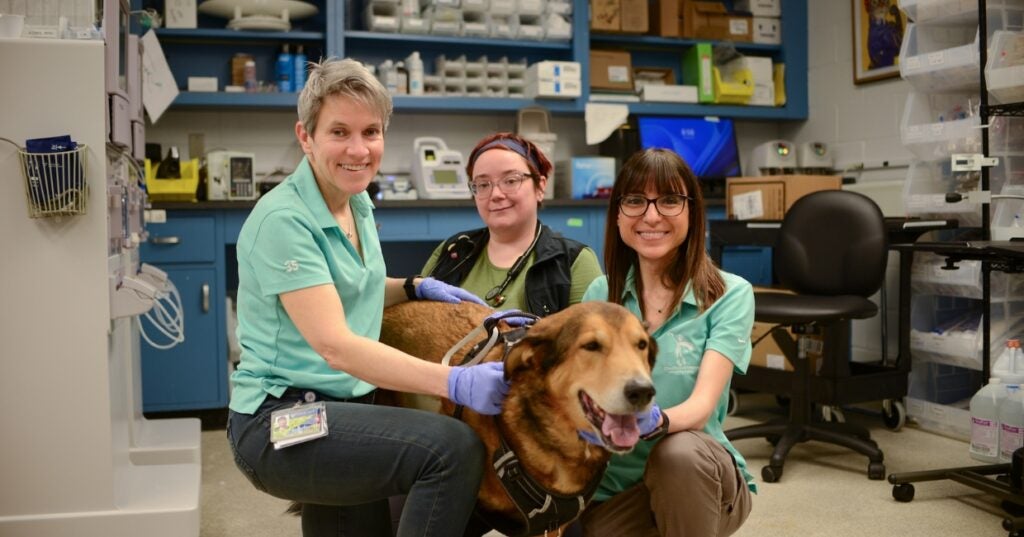
Dogs with cancer are helping save lives—both canine and human (link is external)
The Comparative Immunotherapy Program led by Penn Vet’s Nicola Mason is redefining how therapies are developed and tested—uniting human and veterinary medicine to move promising immunotherapies forward.
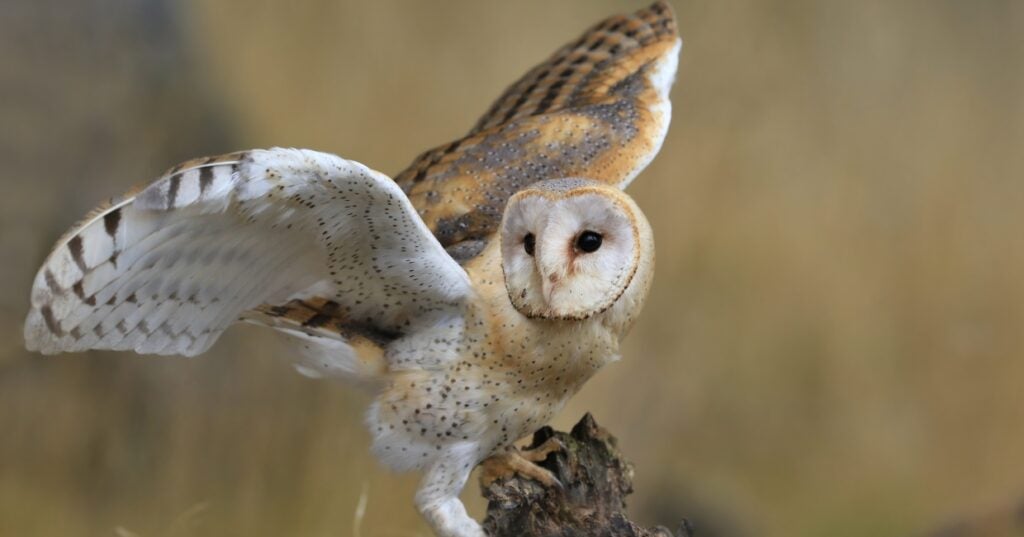
Penn Vet’s Wildlife Futures Seek to Unravel the Mystery of the Disappearing Barn Owl
Penn Vet’s Wildlife Futures Program and the Pennsylvania Game Commission (PGC) have been engaged in a collaborative effort to identify the causes of these owls’ decline and any actions that…

Penn Vet’s Next Gen Biomedical Scientists Present Their Research at the Annual Veterinary Scholars Symposium
Two dozen budding Penn Vet scientists presented a rich array of ambitious biomedical research projects at the annual Veterinary Scholars Symposium held last month in Spokane, Washington.
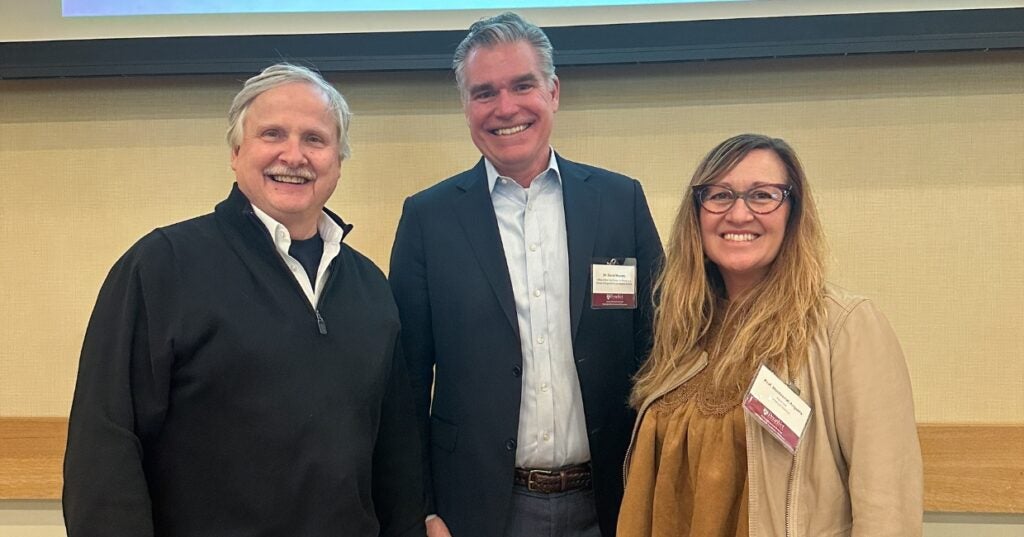
Penn Vet’s Annual Research Retreat Calls for the Power of Synergy in Challenging Times
Noting the challenges ahead, but celebrating the many breakthroughs at hand, the University of Pennsylvania School of Veterinary Medicine (Penn Vet) community gathered for their 31st annual Research Retreat held…
Honors & Achievements
Cynthia Otto Receives AVMA Career Achievement Award
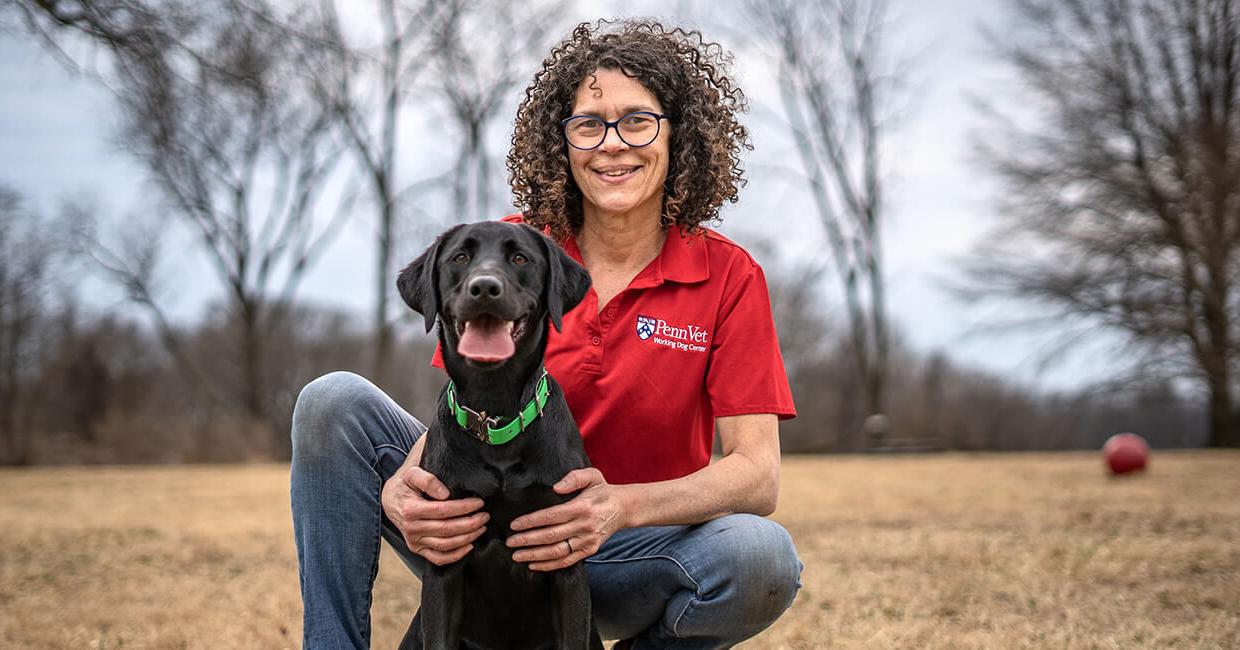
The American Veterinary Medical Association (AVMA) has named Dr. Cynthia Otto, professor of working dog sciences and sports medicine at Penn Vet and founding executive director of the Penn Vet Working Dog Center, as the winner of the 2025 AVMA Career Achievement in Canine Research Award.
This award honors an AVMA member’s long-term contribution to the field of canine research. The AVMA Council on Research selects the recipient.
Louise Moncla Receives the Zoetis Award for Veterinary Research Excellence

Dr. Louise Moncla, assistant professor of pathobiology, received the 2025 Zoetis Award for Veterinary Research Excellence. The award recognizes researchers whose innovative studies have advanced the scientific standing of veterinary medicine.
Dr. Moncla was commended for her contributions in advancing the understanding of the emergence, evolution, and spread of H5N1 avian influenza viruses in North America, as well as viral evolution and cross-species transmission dynamics.
Documentary Featuring Dr. Nicola Mason’s Cancer Research Nominated for Two Daytime Emmy Awards
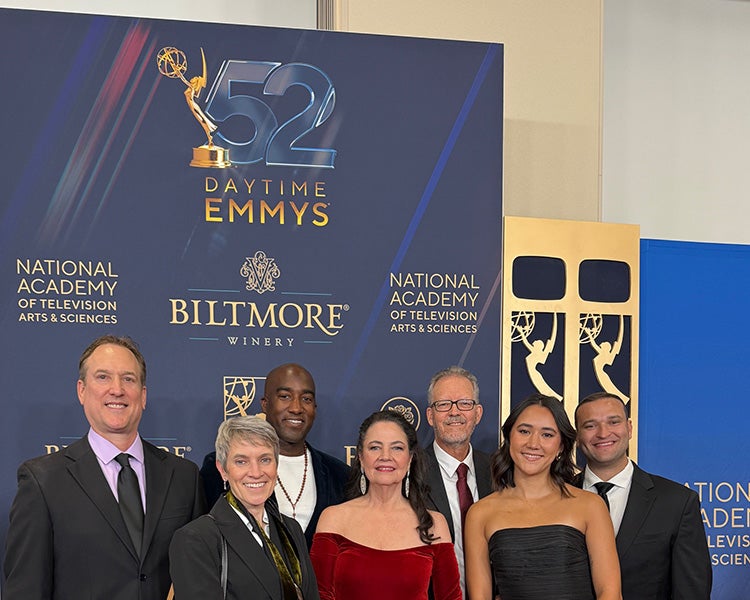
Front row (left to right): Dr. Nicola Mason, Erin Stanley, Serena Sabuda de La Fé
The documentary “Shelter Me: The Cancer Pioneers” by Steven Latham Productions, which showcases the comparative oncology work of Dr. Nicola Mason (Penn Vet), Dr. Timothy Fan (University of Illinois), Dr. David Vail (University of Wisconsin), and Drs. Steven Dow and Daniel Regan (Colorado State University), was nominated for two Daytime Emmy Awards. Dr. Mason joined Steven Latham on the red carpet on October 17 in Pasadena, California.