
Research
Penn Vet scientists bring a valuable veterinary component to the table of scientific exploration, creating novel applications to improve animal health outcomes while also providing invaluable translational knowledge needed to advance human health.
Accelerating Research
Penn Vet’s research centers and programs (RCPs), and faculty laboratories, serve as a hub of discovery where scholars, students, and members of Penn’s biomedical community accelerate veterinary medicine’s impact on animal, human, and environmental health worldwide. Penn Vet’s RCPs generate courses, academic programs, community outreach, peer-reviewed research, and partnerships among academics, government, and industry.
In addition to its strengths in biomedicine, Penn Vet has a distinctive niche in infectious disease research, particularly in the areas of immunology and host-pathogen interactions, with robust research portfolios in neglected tropical diseases and diseases of poverty such as hookworm, the acute parasitic disease Schistosomiasis, malaria, Ebola, and other hemorrhagic viral illnesses.
Leveraging experience
Universally Recognized
Faculty Labs
Nationally in per-faculty funding from NIH
Research Centers and Programs

we’re Researching:
Endocrinopathic (hyperinsulinemia-associated) laminitis; Excess insulin in the blood directly affects the lamellae of the horse foot…
Sepsis-related laminitis; Diseases such as colitis, pneumonia, metritis can lead to acute laminitis…
Supporting-limb laminitis; Laminitis is a common and devastating complication of painful limb conditions like fractures…
Featured Research Laboratory
van Eps Laminitis and Endocrinology Laboratory
The van Eps Laminitis and Endocrinology Laboratory at New Bolton Center is focused on understanding the key events that drive laminitis under different circumstances in order to develop reliable means of prevention and treatment.
Research and Core Laboratories
Penn Vet faculty are engaged in ongoing, groundbreaking research. Additionally, our research facilities include state-of-the-art core laboratories. Learn more about both the Philadelphia and Kennett Square campuses research.



connect
Research Events and Newsletter
Penn Vet’s cornerstone research events and newsletter showcase the innovative science, collaborations, and discoveries emerging from our faculty.
Research News

Behind the Breakthroughs: Matthew Atherton
Using a cancer patient’s own T cells, Matthew Atherton is developing immune therapies for veterinary use.

Internationally Recognized Parasitologist from the University of Pennsylvania’s School of Veterinary Medicine Named 2027 Recipient of Molecular Parasitology Award
Boris Striepen, PhD, has received the 2026 Molecular Parasitology Award for his research on Cryptosporidium parvum, which causes the zoonotic disease cryptosporidiosis.


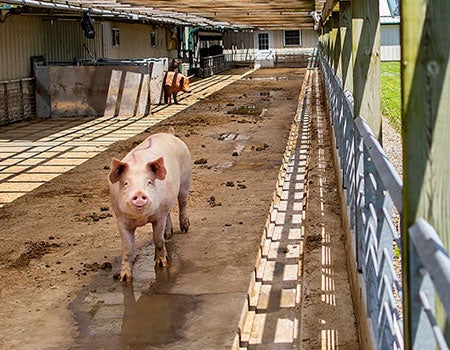
Penn Vet’s Swine Teaching and Research Center Celebrates 25 Years of Inspiring Careers and Creating Positive Change
Twenty-five years ago, the Center’s founders set out to build the barn of the future. Today, it has exceeded their wildest dreams.