
Research
Penn Vet scientists bring a valuable veterinary component to the table of scientific exploration, creating novel applications to improve animal health outcomes while also providing invaluable translational knowledge needed to advance human health.
Accelerating Research
Penn Vet’s research centers and programs (RCPs), and faculty laboratories, serve as a hub of discovery where scholars, students, and members of Penn’s biomedical community accelerate veterinary medicine’s impact on animal, human, and environmental health worldwide. Penn Vet’s RCPs generate courses, academic programs, community outreach, peer-reviewed research, and partnerships among academics, government, and industry.
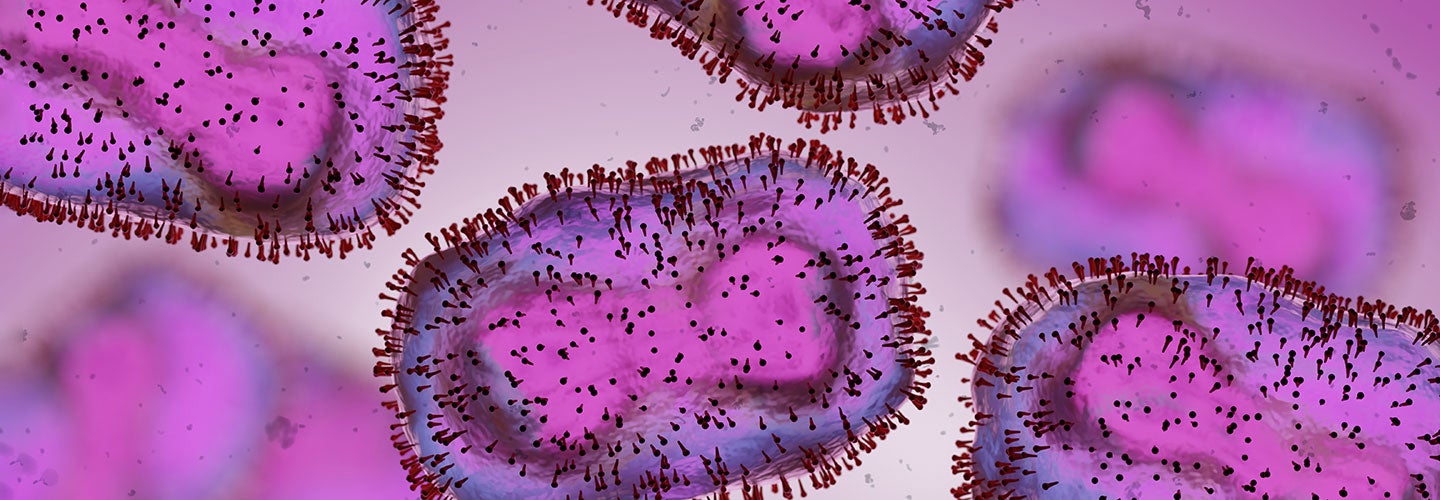
In addition to its strengths in biomedicine, Penn Vet has a distinctive niche in infectious disease research, particularly in the areas of immunology and host-pathogen interactions, with robust research portfolios in neglected tropical diseases and diseases of poverty such as hookworm, the acute parasitic disease Schistosomiasis, malaria, Ebola, and other hemorrhagic viral illnesses.
Leveraging experience
Universally Recognized
Faculty Labs
Nationally in per-faculty funding from NIH
Research Centers and Programs
we’re exploring:
Featured Research Program
Comparative Immunotherapy Program
The mission of the Comparative Immunotherapy Program is to improve the lives of both animals and humans by leveraging comparative medicine, to understand immune mechanisms of disease and create innovative immunotherapies in areas of unmet need.
Research and Core Laboratories
Penn Vet faculty are engaged in ongoing, groundbreaking research. Additionally, our research facilities include state-of-the-art core laboratories. Learn more about both the Philadelphia and Kennett Square campuses research.


connect
Research Events and Newsletter
Penn Vet’s cornerstone research events and newsletter showcase the innovative science, collaborations, and discoveries emerging from our faculty.
Research News

Stress tested, testing stress: Novel organoid models how the adrenal gland develops (link is external)
Researchers led by Penn Vet’s Kotaro Sasaki and Michinori Mayama have developed an organoid system that faithfully mimics how the human adrenal gland develops and forms complex tissue structures, providing…

Anthony Fauci Delivers Robert R. Marshak Keynote at Penn Vet’s 2026 Institute for Infectious and Zoonotic Diseases Symposium
The University of Pennsylvania School of Veterinary Medicine’s (Penn Vet) Institute for Infectious and Zoonotic Diseases (IIZD) convened leading experts in infectious disease research for its 2026 annual symposium, held…

Targeting tumor supporting cells: Advancing CAR T success in pancreatic cancer (link is external)
Research led by Penn Vet’s Ellen Puré has used lipid nanoparticles to generate CAR T cells directed at a type of tumor support cells—cancer-associated fibroblasts—melting away the protective barrier around…

Penn Vet Faculty Awarded State Agricultural Research Grants in Multiple Areas
In recognition of leadership in agriculture, health and the environment, the University of Pennsylvania School of Veterinary Medicine (Penn Vet) has been awarded several newly announced state agricultural research grants.